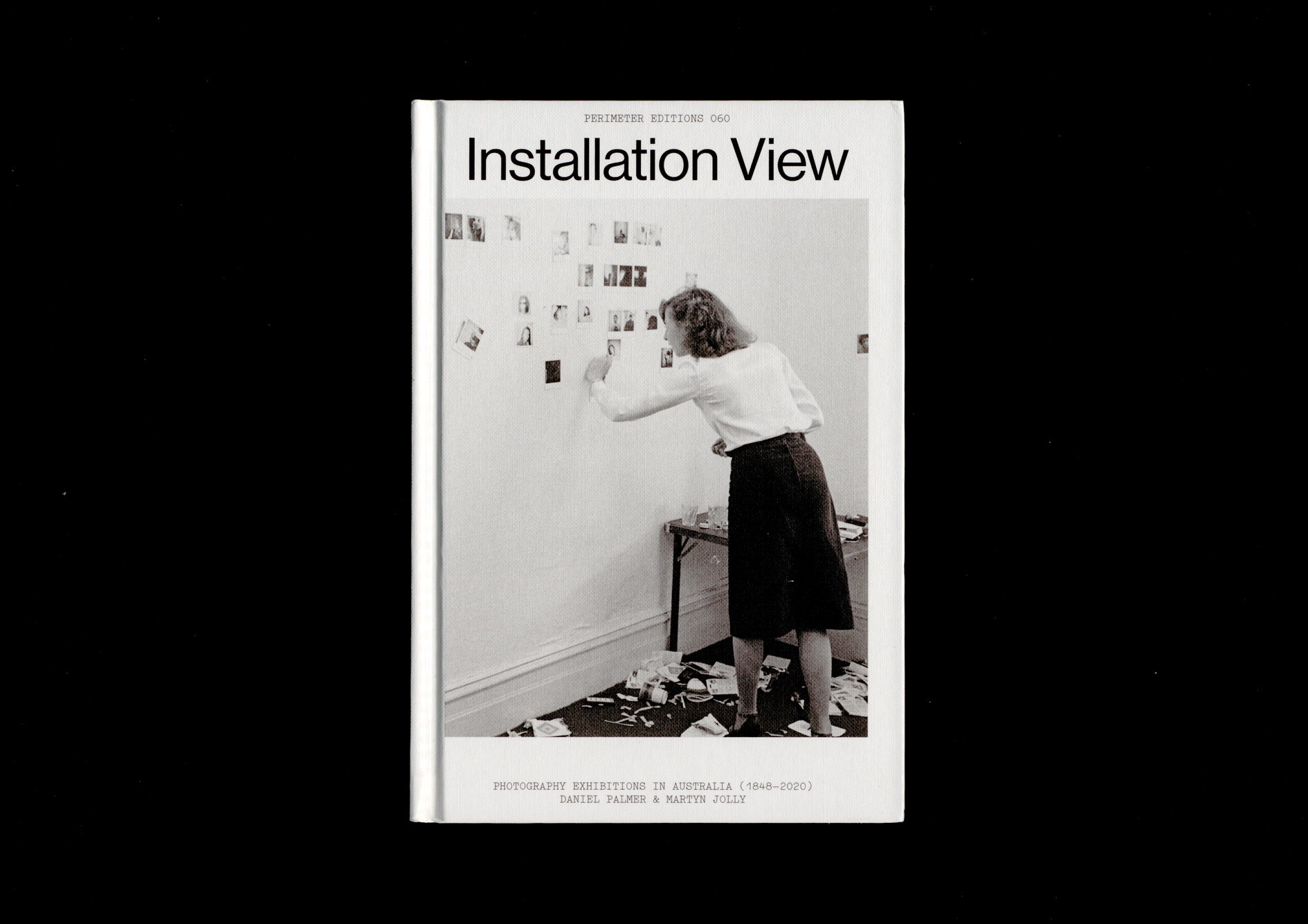
(Installation View, pp. 5–6)
The camera records and remembers, but photographs can be surprisingly ephemeral. We lose prints and digital files. Prints fade, and digital files vanish. Even institutions devoted to collecting photography are involved in routine acts of forgetting. Some prefer photographic images, even old ones, to be new and fresh, perpetually rejuvenated – enlarged, sharpened, colourised. Others fixate on the sheer physical presence of individual photographs that have survived the past. In both cases, the context in which the public originally experiences those photographs tends to be lost. Photography exhibitions – which, together with print media, have been a vital means for photographers to share their work – are beset by historical amnesia.
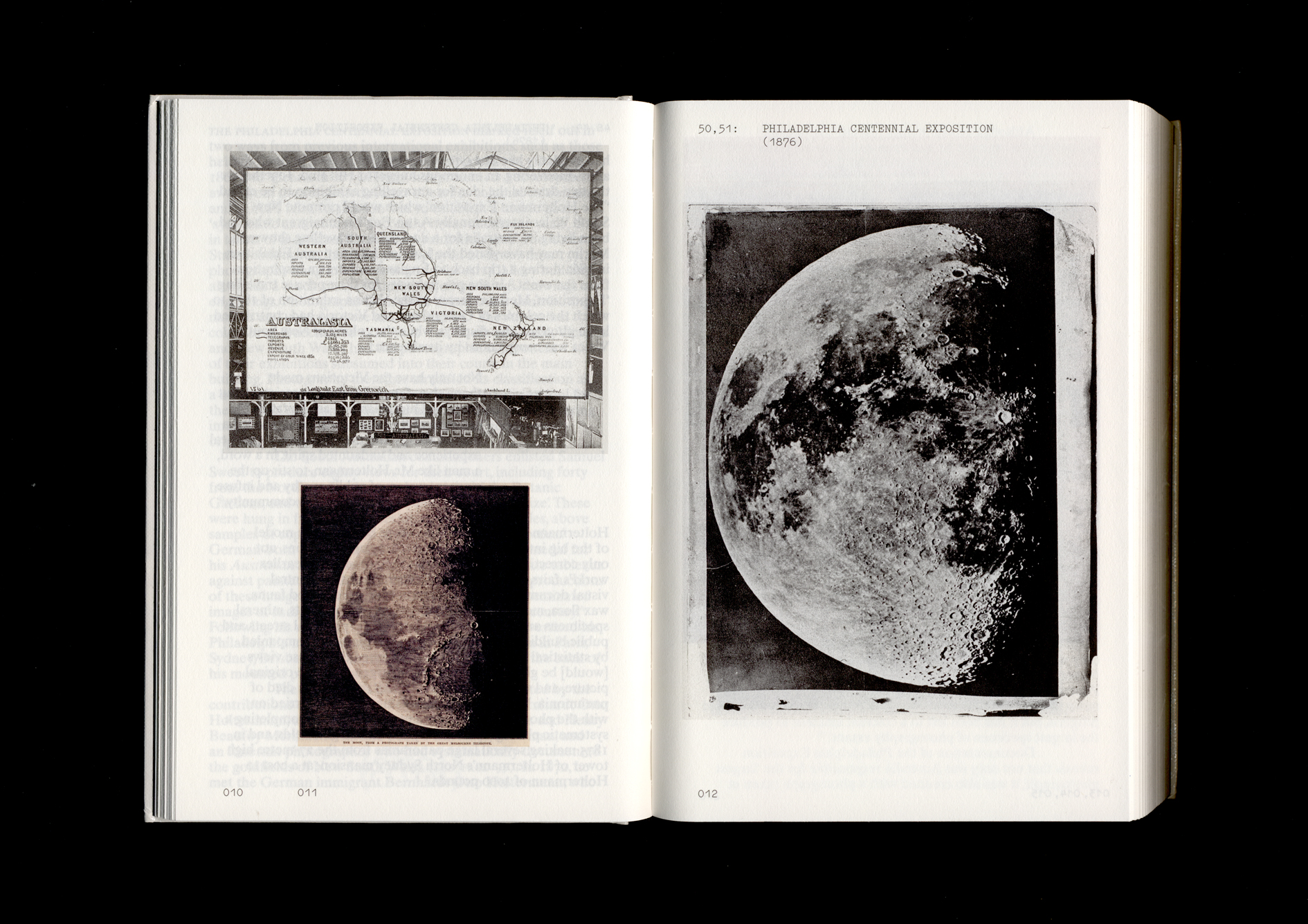
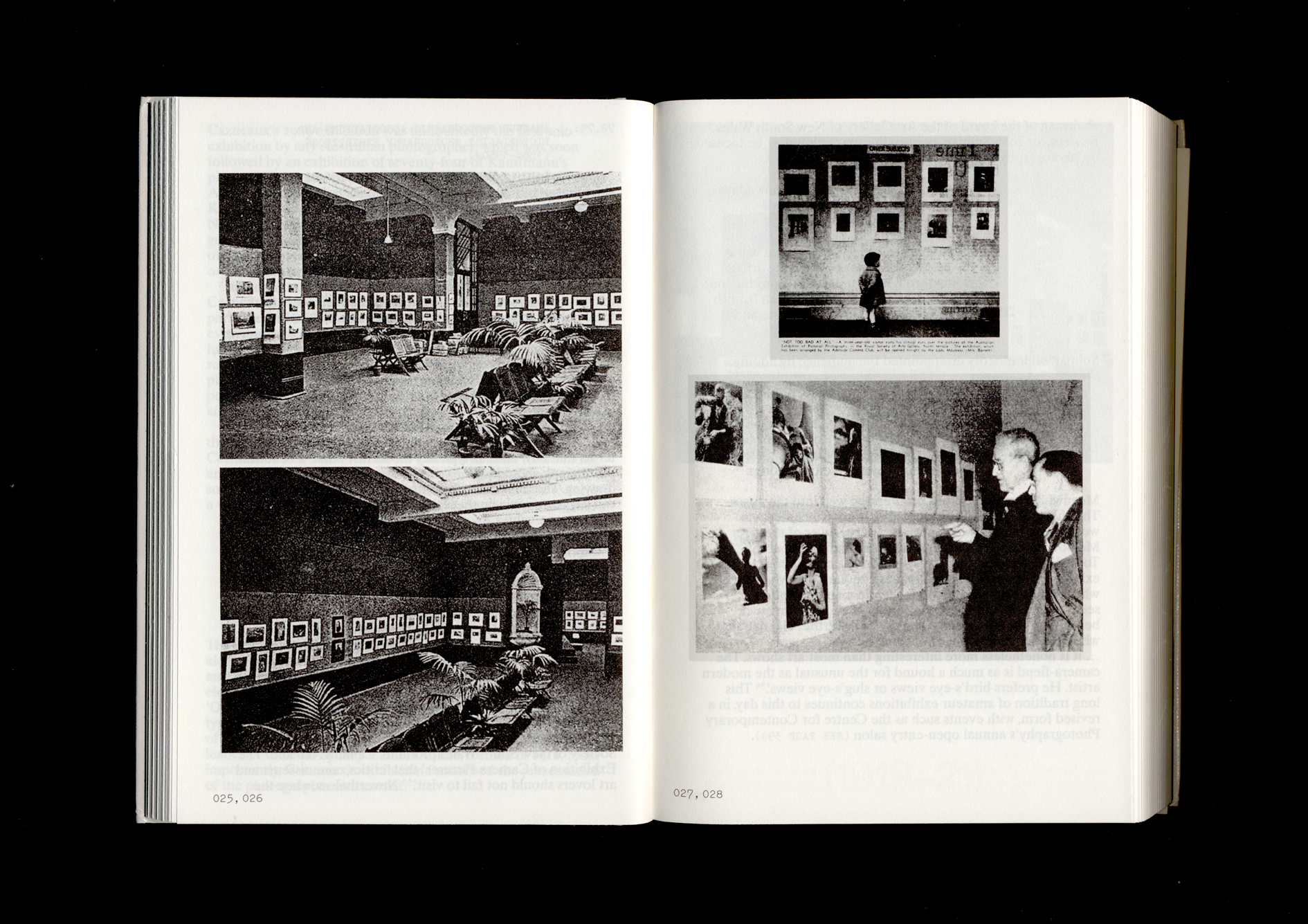
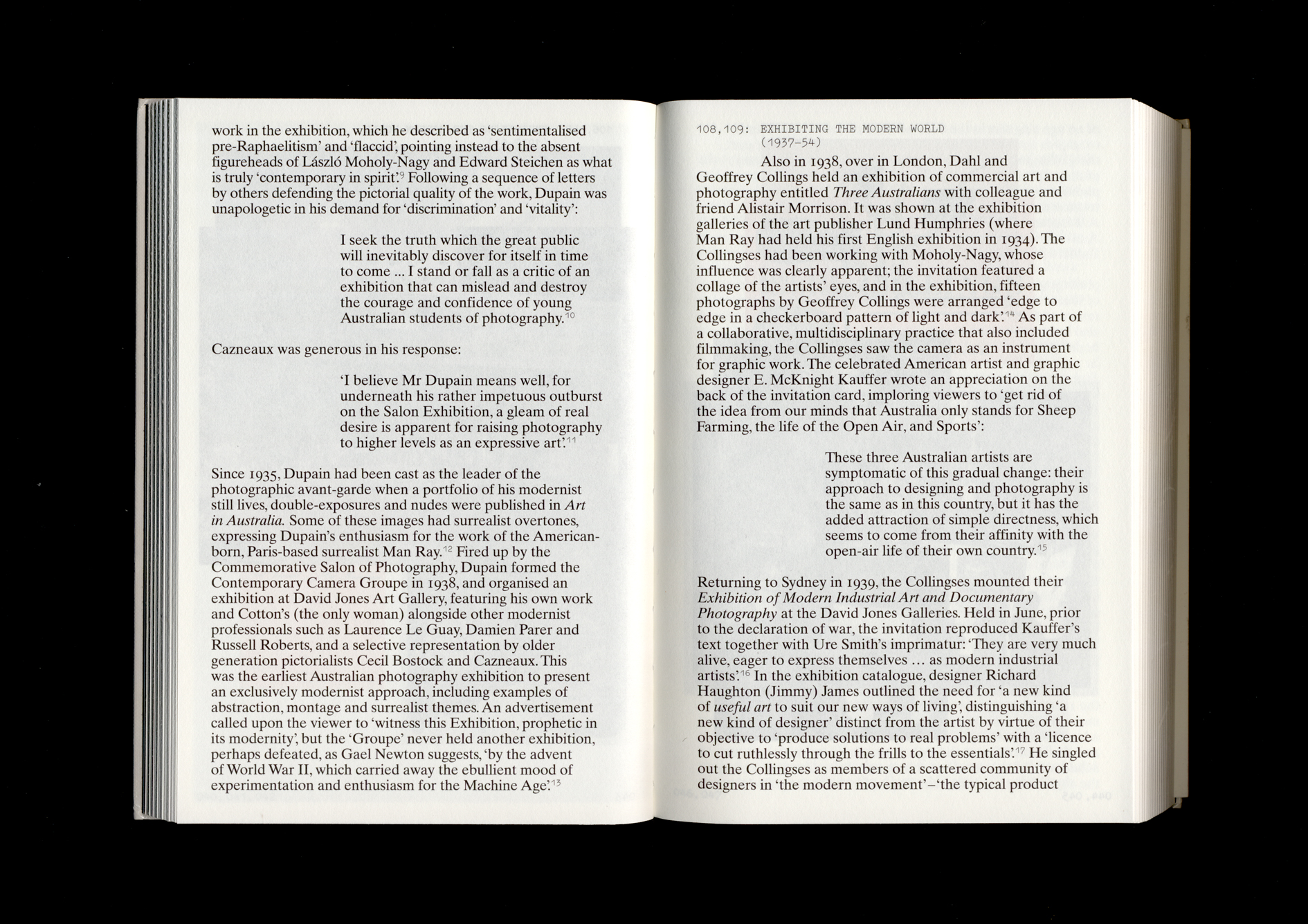
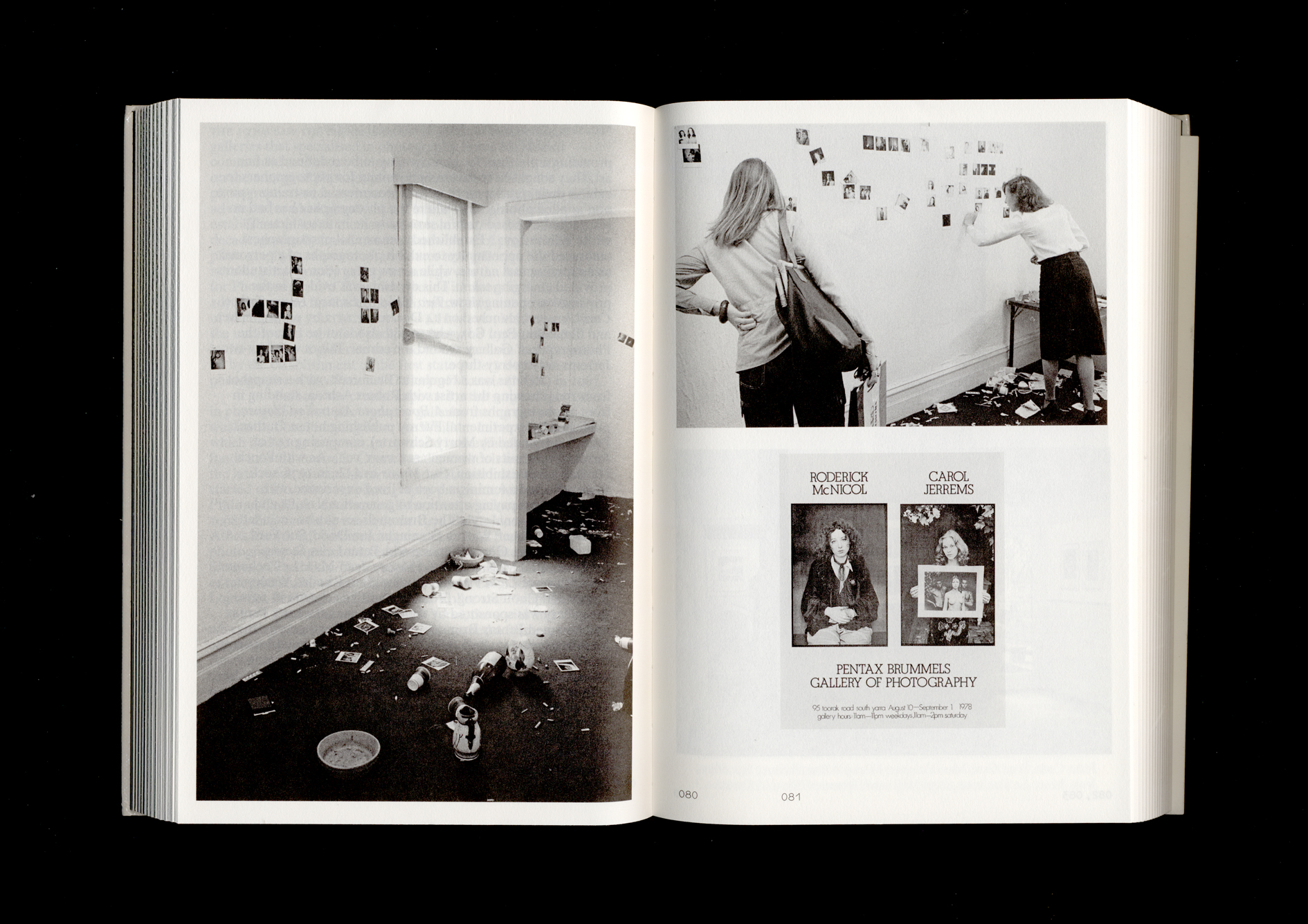
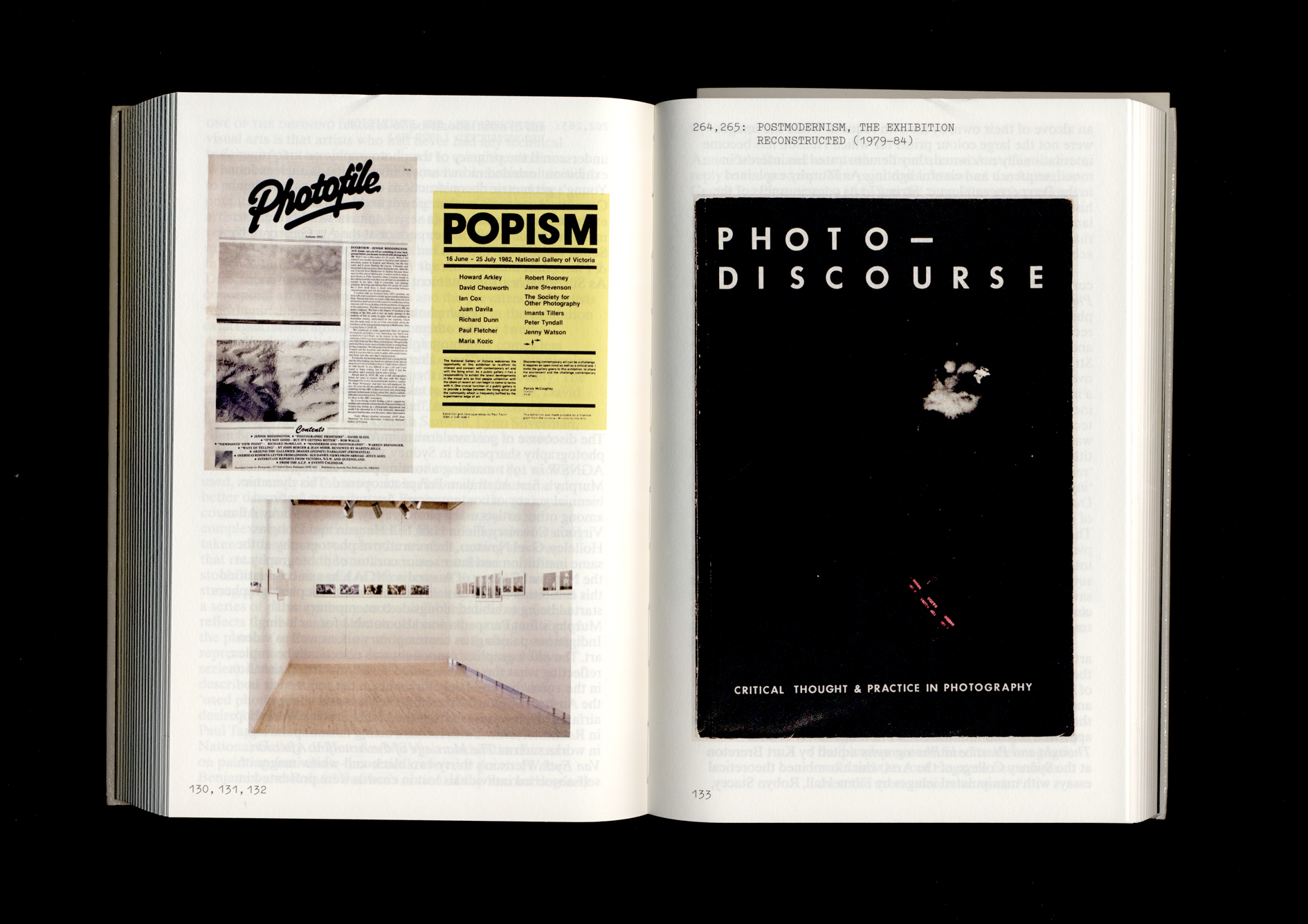
This book invites you to visit photography exhibitions of the past and actively imagine what it might have been like to be there. The humble, functional genre of the installation view enables this time travel, and the collection of such installation views here marks our contribution to a fight against the amnesia of visual history. This is a book borne in the margins of Australian photographic history – one that seeks to preserve not only photographs, but also bring to light how they were first socialised within the life of Australia.
The phrase ‘installation view’ is not reserved exclusively for photographers, but it does fit particularly well for the documentation of their exhibitions. The phrase draws attention to the double role of the photograph, since photographs are ‘views’ of people and things that are also frequently ‘installed’ for audiences. This complex dynamic between a scene of a photograph’s public reception, its documentation and the individual photographs themselves, lies at the core of this book.
And then there are the audiences, those ghostly figures often captured within the documentation. All exhibitions embody ideas for an imagined public, inviting us to think and feel differently. Are photography exhibitions different? The privileged space of the exhibition hall of the 1870s or the white cube of today are spaces of interaction where the intentions of a photographer interact with those of institutional imperatives, exhibition designers and curators, to focus the gaze of visitors on particular photographs – all of which remain part of the constantly mutating technology that is photography itself. But in all their variety, photography exhibitions inevitably speak to the immensity of all the other photographs in the world – of which they are just a sample.